Cape Coral Mortgage Company: Fairview Lending


Flexible Financing For Borrowers Who Do Not Fit The Box
Non-QM Loans in Cape Coral & Southwest Florida
Not every strong borrower fits agency guidelines. Business owners who write off expenses, retirees living on assets, real estate investors, foreign nationals and buyers with a recent credit event are frequently declined by lenders who only offer conventional and government loans — not because they cannot afford the home, but because the documentation does not fit a box. Non-QM lending exists for exactly these situations, and it is a large part of what we do at Fairview Lending.
What is a non-QM loan?
A non-QM (non-qualified mortgage) loan is a mortgage that does not meet the Consumer Financial Protection Bureau’s Qualified Mortgage documentation standards, usually because income is verified differently. It is not a subprime loan and it is not a loosening of underwriting — the lender still verifies your ability to repay, just through bank statements, assets or rental income instead of W-2s and tax returns.
Video: how a non-QM investor loan qualifies you
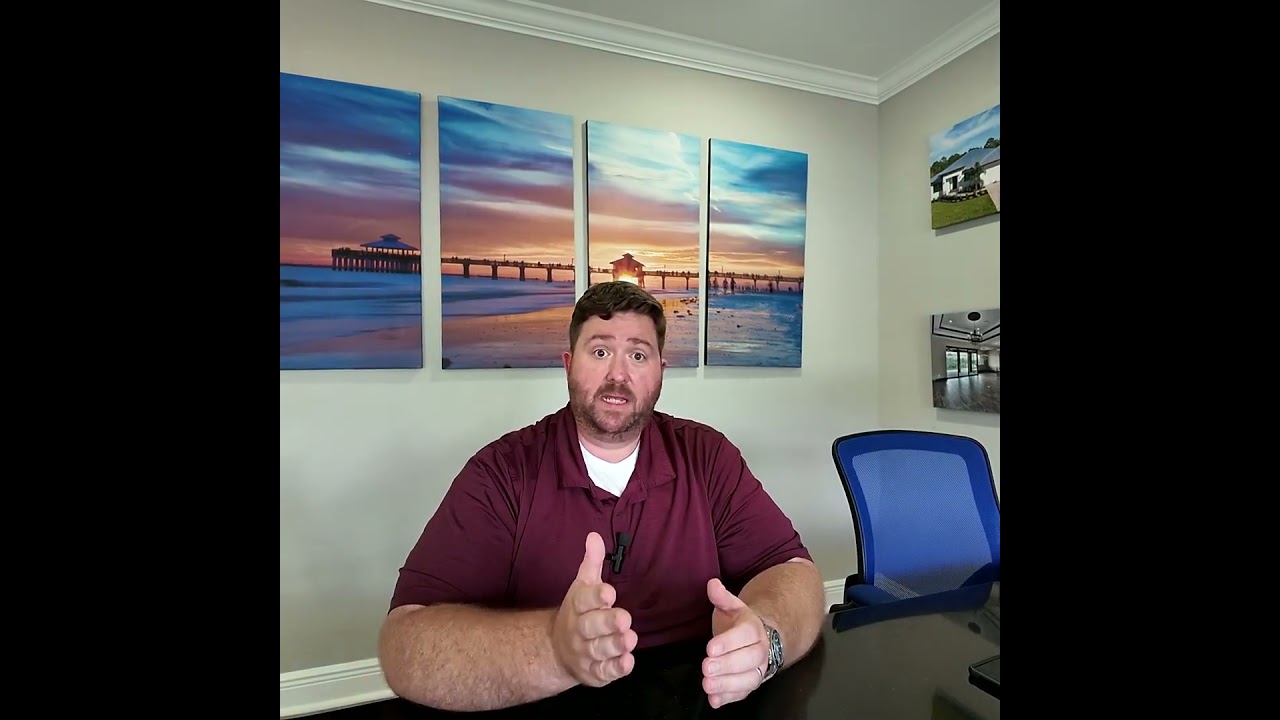
Sean Wilkins, NMLS #1891338, explains in 35 seconds: a conventional loan usually qualifies you on your tax returns, while a non-QM investor loan can use the rental property's estimated income instead. Read the full answer · Watch on YouTube
Who are non-QM loans for?
The common profiles we see in Southwest Florida are self-employed business owners whose tax returns understate their real cash flow, real estate investors buying rental property, retirees with substantial assets but little taxable income, foreign nationals purchasing second homes, and buyers whose credit event has aged but not enough for conventional guidelines.
What types of non-QM loans are available?
| Program | How income is documented | Typical borrower |
|---|---|---|
| Bank statement loan | 12 or 24 months of personal or business bank statements | Self-employed owners with heavy write-offs |
| DSCR loan | The property’s rental income covers the payment; no personal income used | Real estate investors |
| Asset depletion / asset qualifier | Qualifying income calculated from liquid assets | Retirees and high-net-worth buyers |
| Profit & loss loan | CPA-prepared profit and loss statement | Established business owners |
| 1099 loan | 1099 income statements rather than tax returns | Contractors and commission earners |
| Foreign national loan | Documentation from the borrower’s home country | Overseas buyers of Florida property |
What is a bank statement loan?
A bank statement loan qualifies you on deposits into your business or personal accounts over 12 or 24 months rather than the net income on your tax returns. For a self-employed borrower who legitimately writes off a large share of revenue, this frequently produces a qualifying income several times higher than a conventional lender would calculate from the same business. Our self-employed borrower guide walks through what to prepare.
What is a DSCR loan?
A DSCR (debt service coverage ratio) loan qualifies an investment property on its own rental income rather than your personal income. If the rent covers the mortgage payment at the required ratio, the loan can work regardless of what your tax returns show — which is why investors building portfolios in Cape Coral and Fort Myers use them. See our DSCR loan page for detail.
Are non-QM rates higher?
Generally yes. Non-QM loans typically carry higher rates and larger down payment requirements than conventional financing, because the lender holds more risk and cannot sell the loan to Fannie Mae or Freddie Mac. The honest way to think about it is not non-QM versus a conventional rate you cannot get — it is non-QM versus not buying the property at all. Many borrowers refinance into conventional financing later once their documentation supports it.
Where do we offer non-QM loans?
Throughout Southwest Florida, including Cape Coral, Fort Myers, North Fort Myers, Lehigh Acres, Punta Gorda, Port Charlotte, Naples, Bonita Springs and Estero.
What is the first step?
Tell us how you actually earn your income and we will tell you which programs fit. If a conventional loan works for you, we will say so — non-QM is a tool for when it does not. Get pre-approved or talk to a Fairview loan officer.
Non-QM loan FAQs
What is a non-QM loan?
A non-QM loan is a mortgage that does not meet the Qualified Mortgage documentation standards, usually because income is verified through bank statements, assets or rental income rather than tax returns. The lender still verifies your ability to repay; it simply does it differently.
Can I get a mortgage if my tax returns show low income?
Often yes. Bank statement and profit-and-loss programs qualify self-employed borrowers on deposits or CPA-prepared statements rather than net taxable income, which frequently produces a much higher qualifying income for business owners with legitimate write-offs.
How much down payment do non-QM loans require?
More than conventional financing in most cases, and the exact requirement depends on the program, your credit profile and whether the property is a primary residence or an investment. We will give you the specific number for your scenario.
Are non-QM loans the same as subprime loans?
No. Subprime lending before 2008 often involved no verification of repayment ability. Non-QM loans still require full underwriting and documented ability to repay; the documentation method is what differs.
Can I refinance a non-QM loan into a conventional loan later?
Yes, and many borrowers plan on it. Once your tax returns, credit or seasoning support agency guidelines, refinancing into conventional financing is a common way to lower the rate.
Do you offer non-QM loans for investment property in Cape Coral?
Yes. DSCR loans qualify an investment property on its rental income rather than your personal income, which is the most common structure investors use for Cape Coral and Fort Myers rentals.
Qualify On Bank Statements
Use 12 or 24 months of deposits instead of tax returns, so legitimate business write-offs do not disqualify you from the home you can clearly afford.
Investor-Friendly DSCR
Qualify an investment property on its own rental income, with no personal income documentation required.
Options After A Credit Event
Shorter seasoning requirements after a bankruptcy, foreclosure or short sale than conventional guidelines allow.
- Dedicated To Exceeding Your Expectations
Benefits of Non-QM Lending with Fairview Lending
Non-QM programs let strong borrowers qualify on the income they actually earn, using documentation that reflects how they are really paid.
- Bank statement programs using 12 or 24 months of deposits
- DSCR loans qualified on rental income, not personal income
- Asset depletion programs for retirees and high-net-worth buyers
- Profit-and-loss and 1099-only documentation options
- Foreign national programs for overseas buyers of Florida property
- Shorter waiting periods after a past credit event than agency guidelines